
(There are a great number of different kinds of dinosaurs that once roamed the earth.)
According to the Oxford American Dictionary, a museum is “a building in which objects of historical, scientific, artistic, or cultural interest are stored and exhibited.” There are thousands and thousands of museums around the world, some similar, some entirely different, all presenting a vast amount of information on the topic concerned. Museums “can stimulate critical thinking skills” (TMM 225) and provide an interesting learning environment for the students.
Our visit to the Texas Memorial Museum did a number of things for me.
 I will focus on the main idea that was sparked through the visit: I wish dinosaurs were still alive.
Over 65 million years ago, large herbivores and carnivores roamed the land that we now call our home. From flying species to those that swam through the ocean to those that demolished everything in their path, these creatures were the dominating subjects. Now, centuries later, paleontologists spend year after year uncovering the remains of these great creatures. In the Texas Memorial Museum, we saw the largest dinosaur remains found in the state of Texas. It was a flying creature, a Pterosaur (pictured) ,
 hovering above us, "the largest flying creature ever discover" (TMM 226). Its head was probably about 4 feet long with a gigantic jaw structure. Seeing the fossil of this mammoth of a beast was fascinating to me. Yes, I had seen fossils previously, however with the mood I was in, the other fossils in the building, and the enthusiasm about the topic from Bump and the other students, my interest in these creatures soared. I decided I want a pet dinosaur.
  (This is a Tyrannosaurus Rex, one of the fiercest and most terrifying dinosaur to roam the planet.) Now, this seems like a very unrealistic desire, but you still have to dream. If I were to own a pet dinosaur, it would most likely be a Triceratops, like the one pictured to the right.
  You may be thinking, “Why in the world would Logan want a Triceratops? It has horns and can be mean and very well may demolish her.” I believe, however, that a Triceratops would be the perfect dinosaur friend. He (I would want a boy) would protect me, scaring off all of the other dinosaurs that would want to eat me alive, such as the Tyrannosaurus Rex.
  Triceratops, with their three horns, look extremely fierce and would be completely capable of protecting me. But don’t let his looks intimidate you. I know that if I were to have Charlie (that would be my dinosaur’s name) as a pet, we would bond and create an everlasting relationship. Our friendship would deepen as our years together went on, and I would the break the barrier between species. Rather than dogs being a man’s best friend, I believe dinosaurs would take the place of man’s best friend.
 This may seem like a ridiculous topic for a discussion board, but dinosaurs are not only a part of the past, but they are part of the present. With the technology today, it wouldn’t be out of the question to replicate the DNA of a species of dinosaur and somehow bring one to life. Of course if that were to happen, I would be first on the list to claim him as my pet.

(This would be a super fun picture to color if anyone who reads this is so inclined.)
Basically, I now love dinosaurs. Much more than I did before. And because of that, I know that I will, in my spare time, make another trip to the Texas Memorial Museum to absorb more information on this fascinating species and enjoy the marvels of our past.
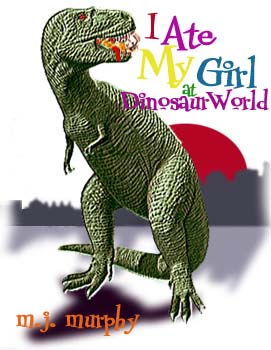
(My Triceratops will protect me from being eaten by T-rex! RAWWWWRRRRRRRRR!!!!!)

No comments:
Post a Comment